EDUCATION IN KOREA
DAYCARE IN KOREA
You are viewing: Daycare → Start Here → Korean Daycare: The Complete Guide for Foreign Parents
Daycare in Korea
Korean Daycare: The Complete Guide for Foreign Parents
Everything we’ve actually learned about 어린이집 — the daily rhythm, what to pack, what it costs, and the app you’ll end up checking every afternoon — in one place.
✓ Quick Answer
Korean daycare (어린이집) accepts children from birth through age 5, provides meals and snacks as standard, follows a national play-based curriculum, and communicates with parents mainly through an app called KidsNote. This guide is the starting point — it links out to everything else we’ve covered in detail: the daily schedule, meals, naps, packing, cost, and more.
Our Real Experience
Everything in this guide and the articles it links to is built on real family experience, combined with Korea’s official childcare framework where a claim needs a source beyond “this is what happened to us.” We’ve tried to keep those two things clearly separate throughout — what’s genuinely ours, and what’s general to Korea.
Choosing a Daycare and Applying
For our family, proximity and enough physical space for children to move comfortably were practical priorities when comparing daycare options.
Confirm the application route through 아이사랑 or your local portal, and ask each center directly how their room and outdoor time actually work day to day.
What to Look At When Visiting
Beyond the paperwork, the physical space itself matters — the entrance, the windows, and how much daylight and room the children actually get.
The First Days
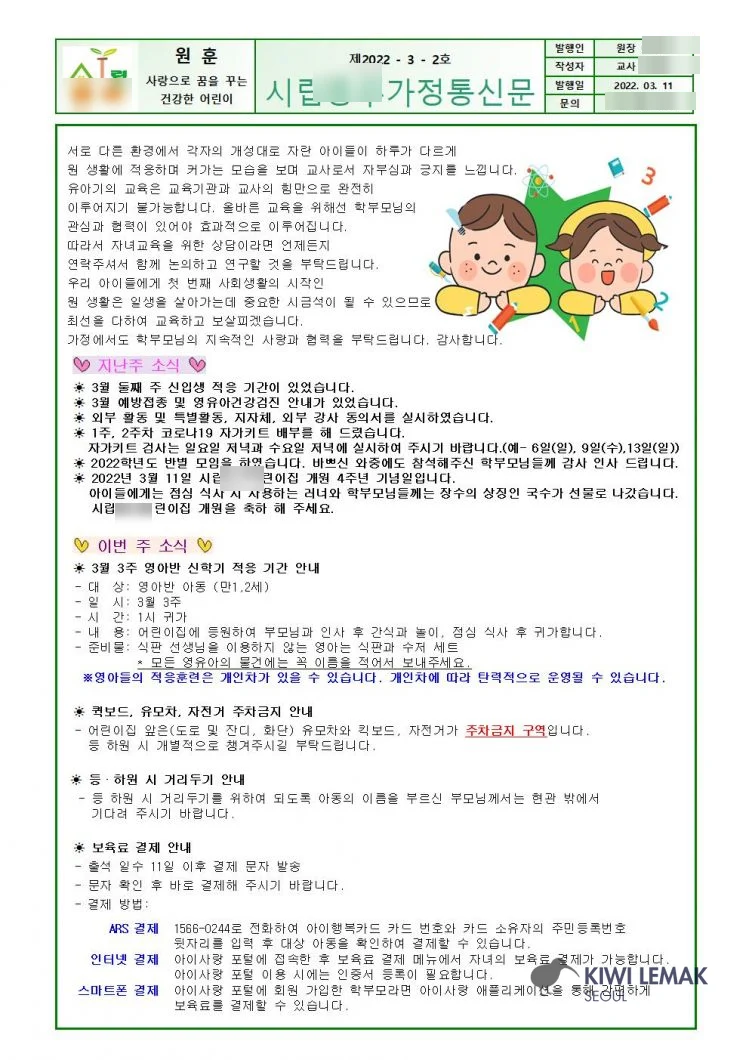
Before a child settles into the routine, there is usually practical paperwork: adjustment-period guidance, health information, drop-off etiquette, and the things a family needs to prepare. This real parent notice is one example; identifying details have been removed.
The Daily Rhythm and Meals
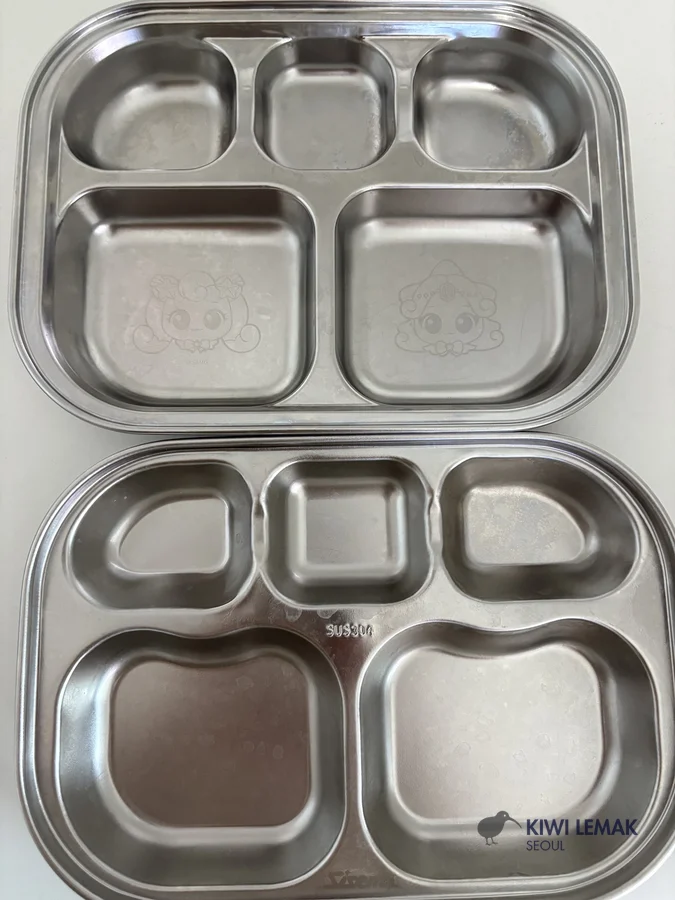
Start with what an actual day looks like — free play, meals, group activities, outdoor time, and a nap that’s non-negotiable. Our full daily-schedule breakdown walks through it step by step. From there, two things deserve their own deeper look: what actually shows up on the meal tray, and whether nap time is really mandatory.
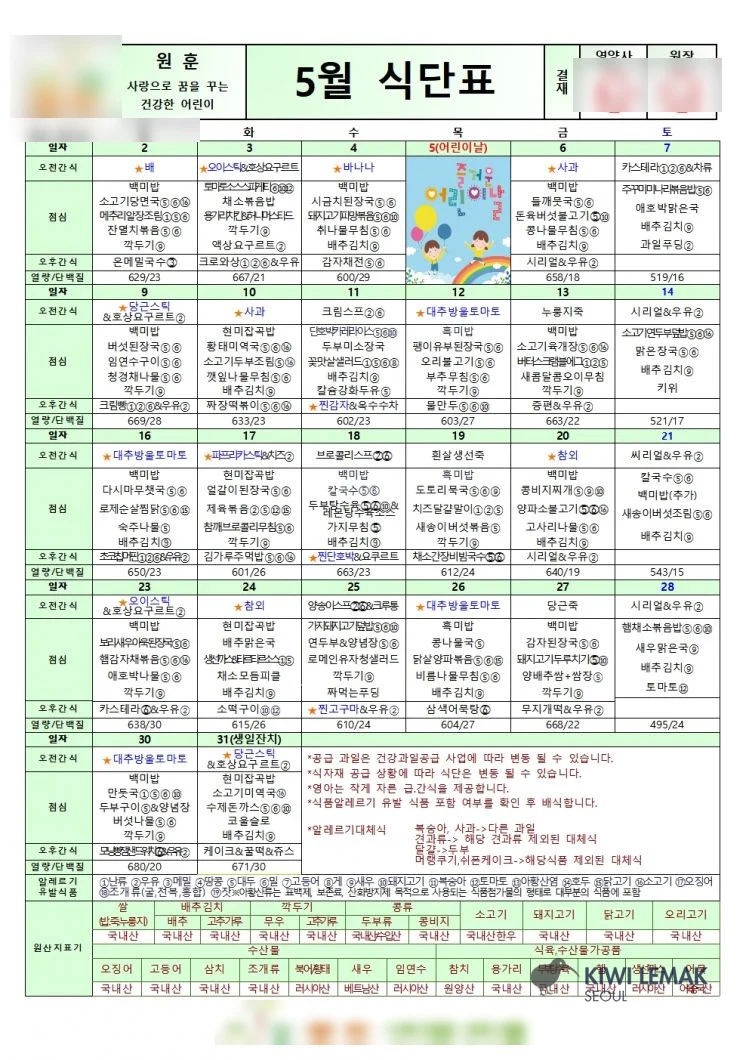
A monthly meal plan gives parents the fuller picture: daily snacks and meals, allergen information, and nutrition details. This real plan has been privacy-masked.
Getting Ready
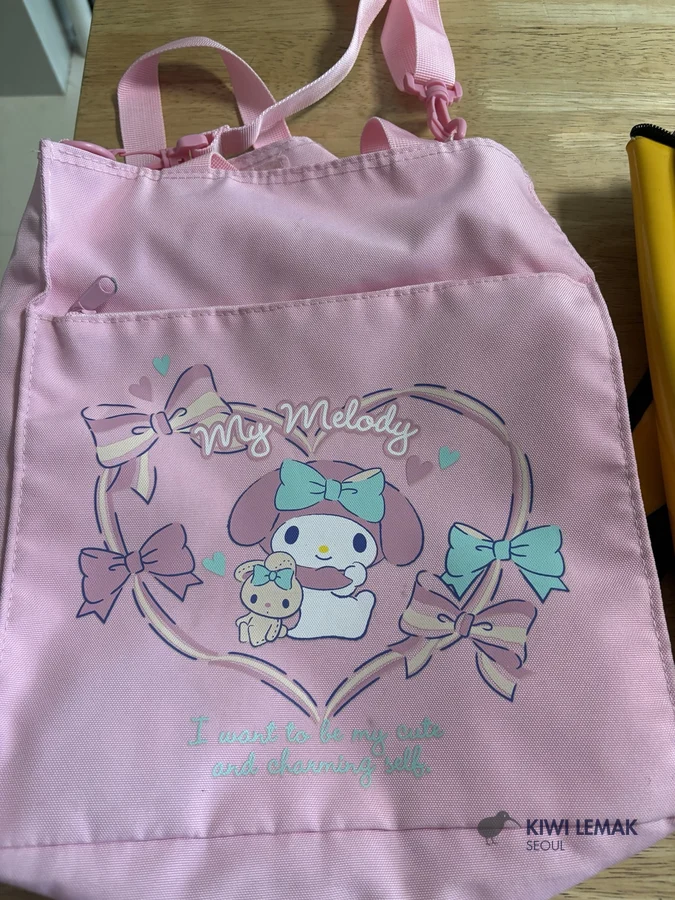
Before the first day, there’s a real list of things to buy and prepare. Our real supply list covers the basics — indoor shoes, toothbrushes, vaccination records — and points to the one item worth its own guide: the nap bedding set (낮잠이불세트) almost every parent ends up buying.
Staying Connected & Informed
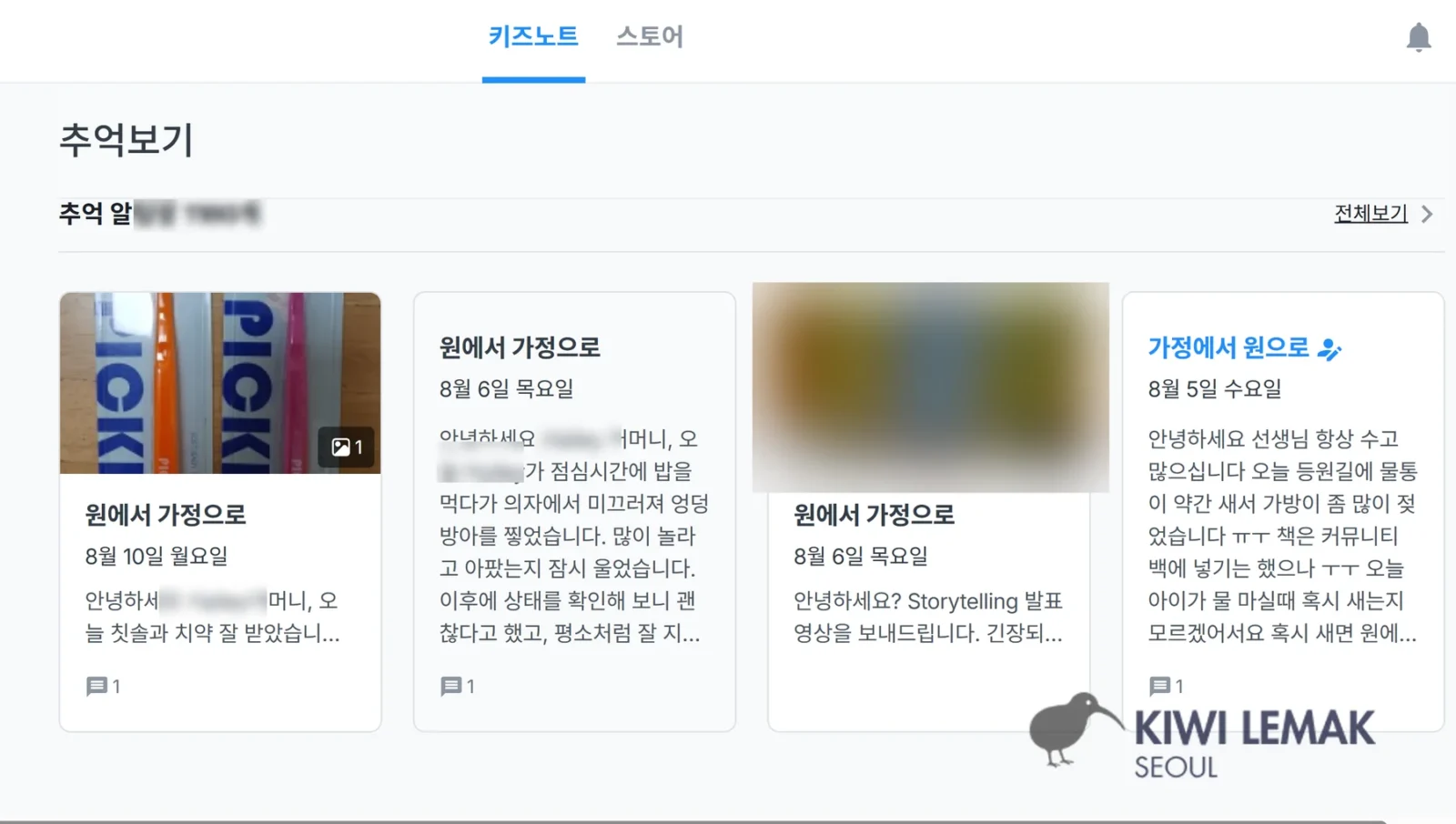
Two things shape how the whole experience actually feels day to day. First, KidsNote — the app that becomes how you actually find out what happened. Second, the question every family eventually asks: what does this cost, and can foreign families get help.
 Korean Mum’s Note
My honest advice to foreign parents: don’t worry too much. Just try it, and ask when you don’t understand something. People were kind to us, and they helped.
— Korean Mum
 Andrew’s Note
If I could tell a foreign dad one thing: it’s a genuinely good environment, designed around the kids. Make full use of the support and systems that are actually there for you — we didn’t always do that ourselves early on, and wish we had sooner.
— Andrew
Daycare vs. Kindergarten — and How to Apply
Korean daycare (어린이집) generally accepts children from birth through age 5 and focuses on care and play. Kindergarten (유치원) typically starts around age 3 and leans more toward structured, school-preparation learning — many families move from daycare to kindergarten around that age, though it’s not a strict rule and plenty of children stay in daycare longer. Applications for daycare are usually made through 아이사랑 (childcare.go.kr), Korea’s national childcare portal — Seoul residents use a separate Seoul-specific portal instead.
FAQ
What age can a child start Korean daycare?
Korean daycare (어린이집) generally accepts children from birth through age 5, unlike kindergarten (유치원), which typically starts around age 3.
How do I apply for Korean daycare?
Applications are generally made through 아이사랑 (childcare.go.kr), Korea’s national childcare portal, though Seoul residents use a separate Seoul-specific portal. Private centers sometimes also require a direct visit and paperwork submission.
Is Korean daycare different from kindergarten?
Yes. Daycare focuses on care and play-based activity across a wider age range (0–5), while kindergarten focuses more on structured, school-preparation learning, typically for ages 3–5.
Where do I start if my child hasn’t begun daycare yet?
Start with our daily schedule guide for the big picture, then our supply list for what to actually prepare.
Over to You
What’s the one thing about Korean daycare you wish someone had told you before day one?